Fresh produce compliance app:
Implement fresh produce compliance in 3 easy steps. Producepak is the ultimate fresh produce compliance software app. Producepak enforces fresh produce traceability and food safety compliance for fresh produce packer, import, export. Easy fresh produce recall, mock, recall, and auditing, fresh produce traceability labels.
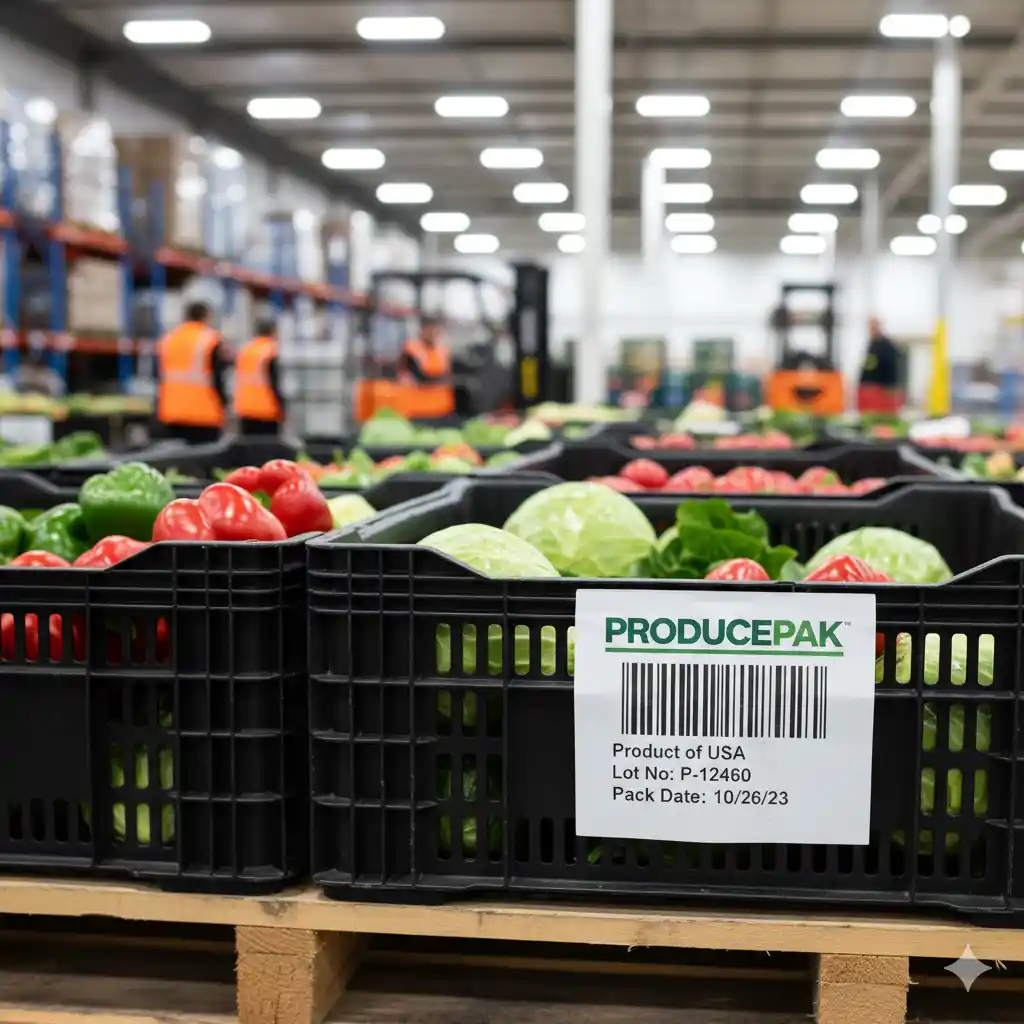
STEP 1: IMPLEMENT PRODUCEPAK (OR AN INFERIOR SOLUTION IF YOU SO CHOOSE)
Implementing a business management app like Producepak will immediately help you adhere to many food safety standards immediately including Walmart, Wholefoods, Wooworths, Tesco, Aldi, Coles and others.
Coles compliance fresh produce: fresh produce packers, wholesalers, import/exporters of fresh produce adhere to Coles fresh produce compliance from labelling, documentation, traceability, quality control and more...
Despite the many challenges fresh produce businesses face today, the fact remains that life is easier and more convenient now than it’s ever been. Perhaps nowhere is this more evident than in how people obtain their food. The proliferation of supermarkets ensures that anyone can eat anything, from processed snacks to organically grown produce, at virtually any time and without the worry of shortage or spoilage. This is due to strict federal and state fresh produce compliance laws, instituted and rigorously upheld to guarantee both the quality and quantity of every food item sold to the public.
As conscientious producers, suppliers, and buyers, it behooves every company in the industry to uphold and adhere to fresh produce compliance laws as thoroughly and efficiently as possible. Not only will this secure inventory, validate its freshness, and safeguard public health, it will streamline your business operations and maximize your profits. Producepak Fresh Produce Compliance App can help you achieve this quickly.
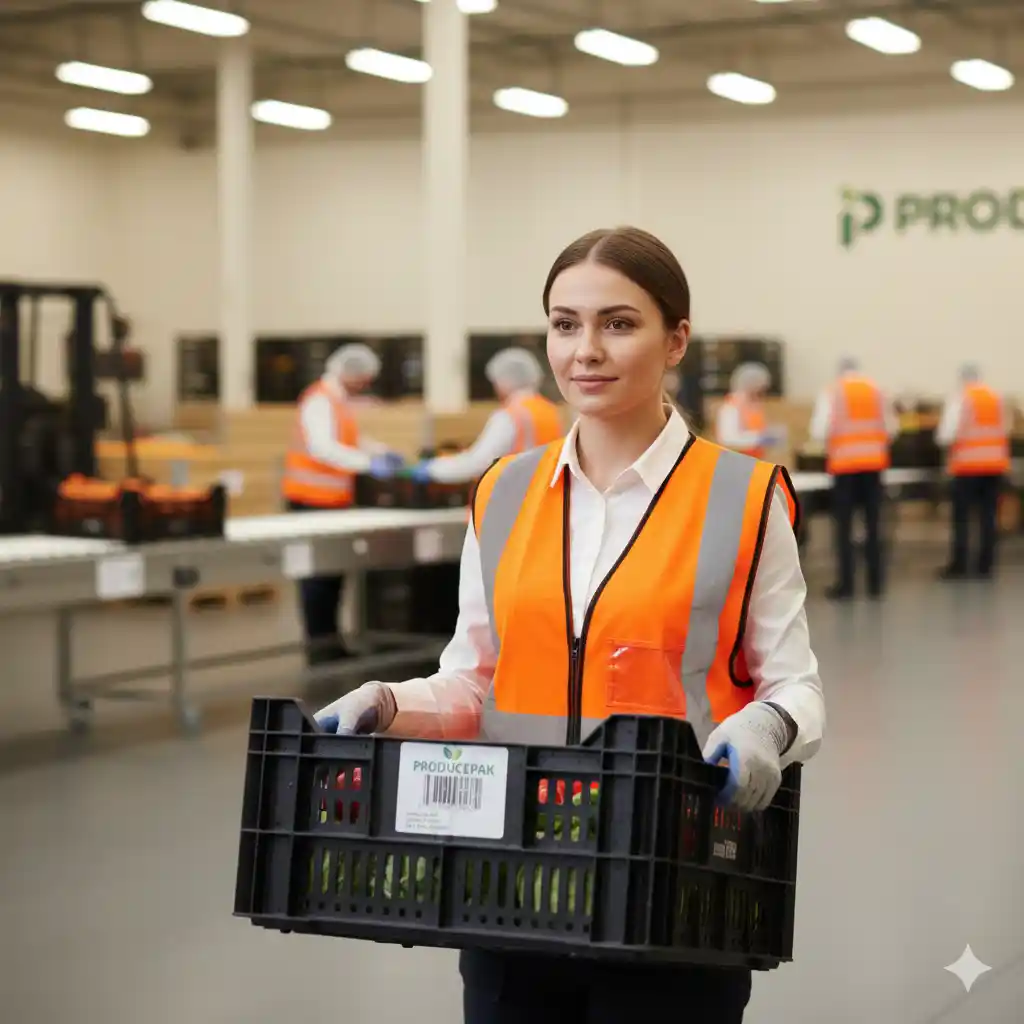
CONDUCT REGULAR FRESH PRODUCE QUALITY INSPECTIONS
STEP 2: CONDUCT REGULAR QUALITY CONROL
The quality and safety of produce can significantly impact the success of your business, making produce quality checks essential.
Quality checks should be done regularly, not just when a health and safety inspection is due.
These checks can aid in the prevention or mitigation of potential health risks, fostering confidence in your consumers about the safety of your produce.
These quality checks may involve testing the produce for harmful substances, including pesticides and other contaminants.
They may also include checking for signs of bacterial or fungal infections, as these can compromise the safety and quality of the produce.
Produce quality checks can serve as the early warning system that helps your business detect problems before they escalate, saving you from potential legal issues or financial losses.
In addition, you should also check the aesthetic features of the produce, as any physical damage or anomalies can signify a problem.
This can prevent the spread of disease and fulfill your responsibility towards maintaining public health.
Training should be given to your quality control team to equip them with the necessary knowledge and skills to carry out these checks effectively and efficiently.
Furthermore, it’s essential to document all these checks to provide clear and transparent data that you can utilize in future safety audits or inspections.
Your compliance with produce safety standards and quality checks can serve as a powerful marketing tool, inspiring customer trust and fostering brand loyalty.
Regular produce quality checks are not just a requirement but an investment towards the success of your business and the well-being of your customers and community.
Remember, the goal here is not just to pass an audit but to ensure the highest quality and safety throughout the life of the produce, from harvesting to retail.
Hence, conducting regular produce quality checks is a critical step in ensuring produce safety compliance.
STEP 3: CONFIRM SUPPLIERS ARE ADHERING TO QUALITY STANDARDS AND HAVE ALL RELEVANT CERTIFICATIONSEnsuring that your suppliers are adhering to safety standards is an integral part of maintaining overall food safety standards within your business.
One way to do this is to conduct thorough site inspections of your suppliers’ premises.
During these inspections, you should check that they are in full compliance with health and safety regulations.
These regulations may pertain to the cleanliness of the premises, the proper storage of food items, and the correct handling of produce.
In addition to site inspections, companies should also regularly review safety audit reports of their suppliers.
Moreover, ensuring that your suppliers have the right safety certifications is a critical step in confirming adherence to safety standards.
This may include certifications such as ISO 22000 for food safety management or the Global Food Safety Initiative (GFSI) which is recognized globally.
Furthermore, it is crucial to check if the suppliers’ staff are properly trained in food safety procedures.
This not only includes proper food handling and storage but also other procedures like hand hygiene and proper use of equipment.
Regular communications with your suppliers about safety protocols and expectations can help maintain a high level of safety compliance.
It’s also important to ensure that suppliers are taking actions to prevent cross-contamination amongst different types of produce.
This could be achieved through policies such as the use of separate cutting boards, knives, and storage containers for different types of food.
In cases where suppliers are found to be non-compliant, it is crucial that they are promptly notified of the same and corrective actions are taken.
Finally, to ensure consistent safety standards, businesses should consider having a contractual agreement with their suppliers stipulating safety standards and requirements.
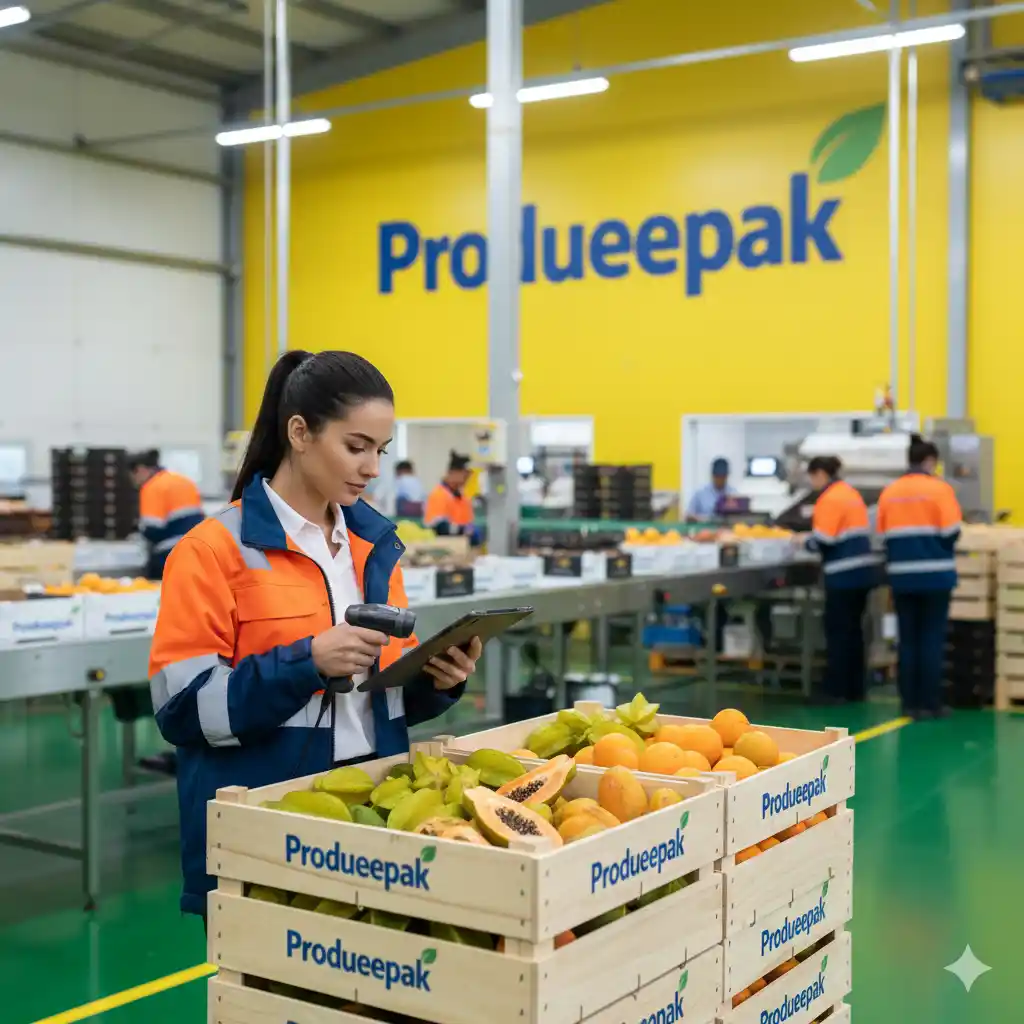
Fresh produce management software
STEP 4: CONDUCT REGULAR FOOD SAFETY AUDITS
In the realm of guaranteeing the safety of produce, conducting regular safety compliance audits plays a pivotal role.
To maintain the highest standards of safety and avoid unfortunate contamination incidents, organizations should strive to enforce frequent audits.
These audits essentially aim at assessing the effectiveness of the food safety management system in place.
They also provide an excellent opportunity to identify any areas that may require improvement.
This exercise allows businesses to reinforce their commitment to delivering high-quality, safe produce to their consumers.
It’s important to note that the frequency of the audits can depend on several factors such as the nature of the produce, the risks involved, and the safety regulations of the region.
Having a well-defined strategy for compliance audits can significantly reduce the chance of safety breaches.
Typically, safety audits include various inspections and assessments such as cleanliness checks, temperature control checks, and checks on equipment functionality among others.
These audits should also evaluate employee hygiene and their adherence to safety protocols while handling produce.
Training a team specifically for conducting these audits can be an effective way to ensure objectivity and thoroughness.
The results of the audits should be documented in a systematic manner to provide a comprehensive overview of the safety status and make improvements where necessary.
Every effort must be made to promptly address any safety violations discovered during these audits.
Follow-up actions taken post-audit should also be recorded for future reference and to track progress.
In essence, safety compliance audits help build a culture of continuous improvement and passion for safety within the organization.
STEP 5: PROMPTLY FIX ANY VIOLATIONS OF FOOD SAFETY
Addressing safety violation findings promptly is a critical step in ensuring produce safety compliance.
Any delay or negligence in this step can lead to serious problems, such as foodborne illnesses outbreak or legal repercussions.
When a safety violation is identified, the first step should be to investigate the issue thoroughly.
This may involve reviewing procedures, speaking with staff, examining equipment, and more, to understand what caused the violation.
Once the cause is identified, measures should be taken immediately to address and rectify the issue.
These measures may include repairing or replacing equipment, re-educating staff, revising procedures, or anything else that is found necessary to correct the violation and prevent future occurrences.
It is important to document the entire process, from discovery of the violation to the steps taken to correct it, in order to demonstrate accountability, transparency, and commitment to safety compliance.
Efficient and effective communication throughout the process is key, not only within the company but also with external entities such as suppliers or even the public, depending on the severity of the safety violation.
This will help manage any potential brand risk arising from the safety violation, by showing that the company is taking the issue seriously and doing everything in its power to safeguard public health.
Regular follow-up checks after a safety violation has been addressed are crucial, to ensure that the corrective measures have been implemented correctly and are effectively preventing further violations.
Finally, it is essential to learn from safety violation findings.
These incidents can highlight potential weaknesses in the company’s safety systems, and offer opportunities for improvement and strengthening.
Instead of considering safety violations as failures, they should be seen as valuable sources of information that can be used to enhance the company’s commitment to produce safety compliance.
Entities that are diligent in identifying, addressing, and learning from safety violations will find themselves better equipped to prevent such issues from recurring in the future, and to ensure sustained and comprehensive produce safety compliance.
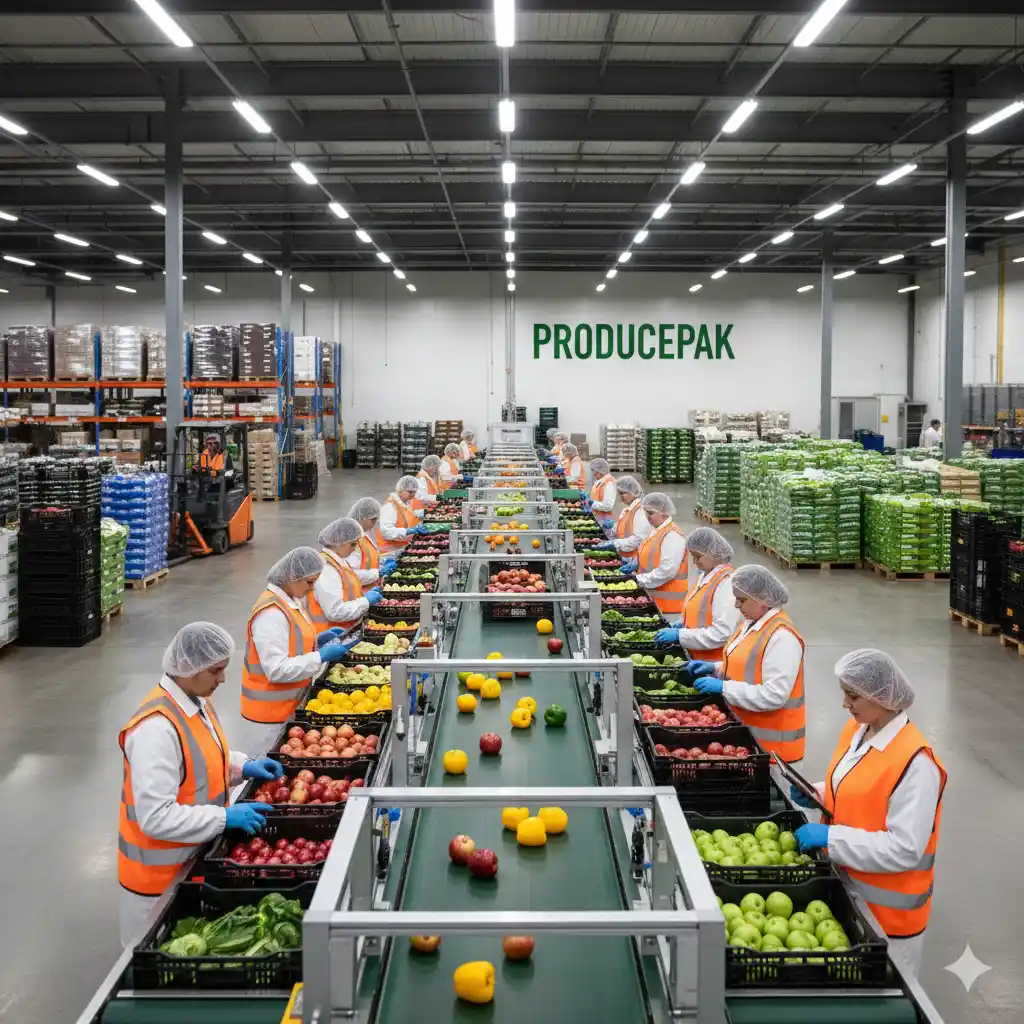
Coles labels fresh produce requirements compliance
STEP 6: FREQUENT SANITIZATION OF ALL FOOD SURFACES
Regularly sanitize all food contact surfaces
Food safety and cleanliness are essential factors that contribute to the overall quality of produce.
Regular sanitization of all food contact surfaces is a crucial part of maintaining this cleanliness and enhancing the safety of produce.
These surfaces include anything that the produce comes into contact with, from cutting boards and knives to storage bins and packaging materials.
The importance of this step cannot be overstated considering that these surfaces can be hosts to harmful microorganisms and pathogens if not properly cleaned.
The presence of these microorganisms can lead to foodborne illnesses and other health complications.
Sanitization works to eliminate these harmful contaminants, thereby protecting both the produce and the consumers who will eventually consume it.
Regular sanitization is key to preventing the growth and spread of pathogens.
It is not a one-time task but rather a continuous effort that requires diligence and consistency.
This is especially important in high-volume settings where a lot of produce is handled daily, such as commercial kitchens or packing facilities.
Effective sanitization includes two main steps: cleaning and disinfecting.
Cleaning involves removing visible dirt, while disinfecting involves killing or inactivating harmful microorganisms that are invisible to the naked eye.
While it may seem like an overwhelming task, especially considering the volume of produce that may be involved, it is an essential aspect of produce safety compliance.
Suitable cleaning and disinfecting agents must be used, and the procedure must be conducted following established protocols to ensure maximum efficacy.
Besides, it’s essential to conduct regular checks and observations to verify that the sanitization is carried out effectively.
Regular documentation of the sanitization practices can also serve as evidence of compliance with food safety standards, promoting accountability and transparency.
It’s also worth noting that the adherence to these sanitization practices not only contributes to food safety but also enhances the longevity and quality of the produce, making it a crucial step in ensuring produce safety compliance.
STEP 7: ENSURE EMPLOYEES ARE TRAINED FOR FOOD SAFETY
Ensure Proper Employee Hygiene and Training
Ensuring proper employee hygiene and training is a crucial aspect of ensuring produce safety compliance. The responsibility for maintaining product safety frequently rests on the workers handling the produce.
Training should encompass everything from personal hygiene practices, to how to safely handle and store produce, to the importance of safety compliance.
Workers should also be informed about the consequences of non-compliance, such as potential foodborne illnesses and the effects these can have on consumers.
Proper handwashing is a basic yet critical hygienic practice that all employees should perform regularly.
Furthermore, workers who are sick or showing symptoms of illness should not be allowed to handle produce.
Frequent training and retraining are necessary to reinforce safety protocols and ensure employees remain informed and up-to-date on best practices.
In addition to initial training, employees should undergo recurrent sessions to refresh their knowledge and keep up with changes in safety guidelines and regulations.
Therefore, it’s essential to establish a comprehensive training plan that’s regularly updated as regulations and industry standards evolve.
Training tools and methods should be diversified to suit different learning styles and ensure that all employees understand and can effectively implement safety practices.
Ultimately, each employee plays a significant role in upholding the safety and integrity of the produce, making their training and hygiene key components of a company’s safety compliance strategy.
STEP 8: MONITOR EQUIPMENT AND COOL ROOMS
Monitor Temperature Control for Safe Storage
Maintaining appropriate temperature levels is a critical factor in preventing bacterial growth, thus maintaining the safe storage of produce.
Regular monitoring of these temperatures can aid in identifying any potential issues early and prevent spoilage or unsafe situations.
The types of produce being stored will often dictate the optimal temperature required for safe storage.
This implies that different types of produce may require different storage temperatures.
Therefore, having a comprehensive understanding of the correct storage temperature for each type of produce is paramount.
It’s not enough just to know these temperatures, they need to be consistently monitored and adjusted as necessary.
Accurate and regular temperature monitoring can significantly decrease the likelihood of food safety incidents and preserve produce quality.
Some strategies to ensure this include use of temperature monitoring devices or systems.
This equipment should be checked regularly for accuracy and recalibrated as necessary.
Retaining record of temperature checks is also significant for compliance purposes.
Temperature control in transit should also be a focal point as it can heavily influence the safety and freshness of the produce.
For longer transport times, it may be required to have temperature monitoring devices that record data over time.