Broccoli packing Australia
Farmsoft Broccoli Packing solution for Australian broccoli packers instant traceability and recall, less broccoli waste, increased consistency of broccoli quality. Manage entire broccoli packshed, comply with Woolworths Coles Aldi IGA broccoli packing standards
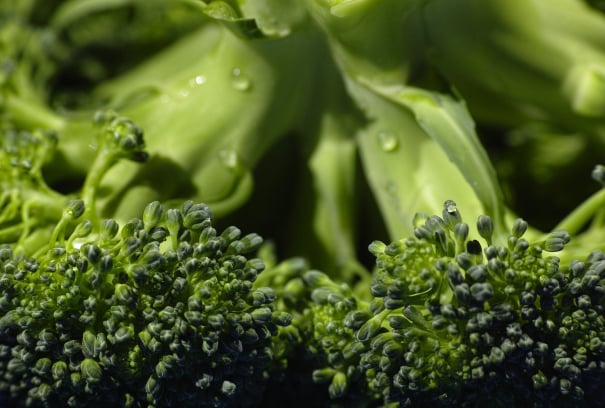
Broccoli packing Australia Compliance
View Fresh Produce App Specifications and Requirements Coles Woolworths Aldi IGA.
Health Benefits of Broccoli:
Broccoli is also regarded as a “super food” and the health benefits are significant.
Broccoli is a good source of vitamin C and folate (naturally occurring folic acid).
It also contains vitamins A, K, calcium, fibre, beta-carotene and other antioxidants (notably indole-3-carbinol and sulforaphane).
Good to Know:
Refrigerate broccoli as soon as you can after purchasing. Place it in a freezer bag with a few flicks of water and store it in the crisper section of the fridge.
Look for bright green and firm heads with tight florets.
For maximum nutritional value, Broccoli is best eaten raw.
If cooking broccoli, it is best to steam for no longer than 3 minutes. This will ensure the produce holds on to its flavour and nutrients.
Eating just 100g of broccoli will provide you with approximately 2 days worth of Vitamin C.
The inner portion of a broccoli stalk is delicious and not to be wasted. Use a paring knife or potato peeler to peel off the tough outer layer of the stem. Cut the stem in bite sized pieces and prepare together with the individual florets.
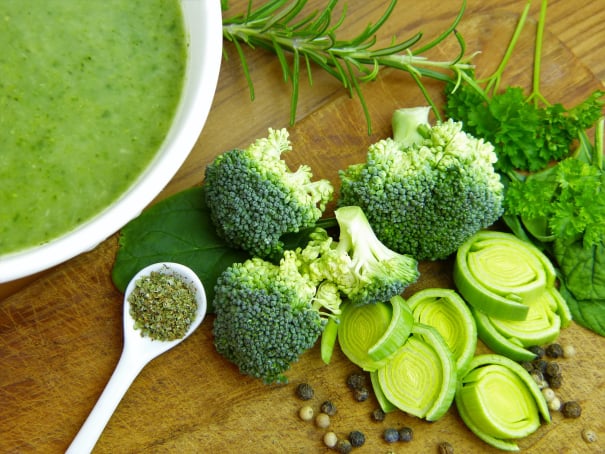
Broccoli packing and storage Australian Food Safety
Fresh produce quality inspection specifications & requirements.
Process improvements for preserving peak freshness in broccoli was a strategic levy investment under the Hort Innovation Vegetable Fund. Led by Dr Jenny Ekman from Applied Horticultural Research, the project examined some of the factors that could increase or decrease the retail freshness of broccoli including harvest time, delay before cooling, cooling method and packaging materials.
One of the major outcomes of the project – which concluded in 2017 – is the introduction of the SmartFresh In-Box system. This is a formulation of 1-methylcyclopropene that blocks the receptors in the broccoli, preventing its ability to produce or respond to ethylene and slowing respiration – which, in turn, reduces post-harvest quality loss.
AgroFresh gathered the data required to register the new InBox formulation of 1-MCP for commercial use on broccoli in Australia, which was approved by the Australian Pesticides and Veterinary Medicines Authority (APVMA) earlier this year. It is now registered, and commercial uptake has commenced.
Grower involvement
Brad Ipsen is the first vegetable grower in Australia to use the SmartFresh In-Box system. Brad and his family run Twin Lakes – a mixed farming operation located in Manjimup, about 300 kilometres south of Perth. The main horticultural crop is broccoli, which is grown on 85 hectares between November and June. Twin Lakes also produces citrus, sheep and cattle.
Eight years ago, Brad met Dr Ekman when she was conducting a postharvest webinar. He says her presentation and extensive expertise had an immediate impact on his business.
“I left that meeting and spent around $400,000 on a hydro vacuum cooler. That was my first involvement with Jenny,” Brad reflects.
Dr Ekman then approached Brad to be involved in project VG14062.
“Jenny said ‘Brad, I think this is a good thing that you should try. You’re well set up to do it.’ She knew our farm and our processes,” Brad says.
“I didn’t have to question if the project was worthwhile, because Jenny has the academia in post-harvest of broccoli. We’re lucky in Australia to have a person of her knowledge and her education level. She is a tremendous resource.
“To me, Jenny’s like a God of broccoli.”
Addressing issues
Traditionally, broccoli has been packed in Styrofoam boxes with ice. This keeps broccoli cool and hydrated through the transport chain and looks good when the box is opened.
However, Brad explains that this system has disadvantages including cost.
“Making ice is an expensive operation. I’ve got a six-tonne ice machine and I’m shipping water around Australia and overseas,” he says.
Another challenge is maintaining freshness of the broccoli.
“The whole issue with ice is that people think that the broccoli sitting in that ice is fresh, because the ice hasn’t melted,” Brad says.
“Domestically in Western Australia, it’s never a problem because it sits in Perth in a cool room refrigerator but when you’re sending to the east coast for instance, you open the box, and the ice is all melted – so it’s not fresh. It doesn’t change the status of the product though.”
When broccoli sits in water, it can attract bugs that then deteriorate the shelf life of the broccoli, which Brad says is a big problem.
Finding a solution
During the project, Brad and the research team conducted SmartFresh trials that involved packing sachets of the 1-MCP into liners, placing them in either polystyrene or cardboard boxes and shipping them around WA and across the Nullarbor.
This produced encouraging results and earlier this year – once the product was registered and available to use – Twin Lakes received a commercial quantity and rolled out 2,000 cartons that included the sachets.
Customers were shocked to find the broccoli wasn’t being transported on ice.
“We told our customers that there would be no ice but then they’re on selling someone else who was wondering where the ice was,” Brad says.
Another benefit to using SmartFresh is environmental, with Twin Lakes moving away from polystyrene as it becomes less acceptable. Replacing ice with sachets means no sogginess or collapsing of cardboard boxes and Brad says he is confident that this new method will overcome these challenges, as well as deliver a fresher product.
“These things are going to need a fair bit of education to our customers that this is how it’s going to be. Because next year, polystyrene will probably be phased out in WA. I’m preparing for that,” Brad added.
Another challenge is controlling temperature.
“When you’re shipping the product, you need to have a good temperature-controlled environment. And if you can bring those two things together, it’s very exciting. But as I said, education is needed and we’ve done quite a bit of that to show when these potential advantages are,” Brad says.
“We’ve already seen that the product is fresher and crispier, and our customers within Australia and overseas have said that too.”
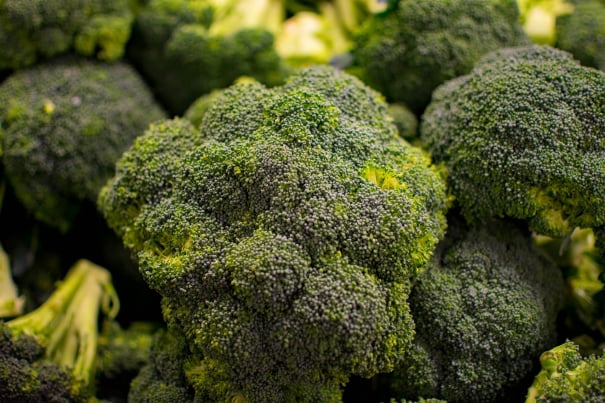
Broccoli packing Australia Packaging Standards
Harvesting and maturity
Harvest vegetables early in the morning when temperatures are cool. The higher the temperature of the products, the greater the need for refrigeration for cooling and the greater the cost. High temperatures increase the rate of respiration and deterioration. Once harvested, exposure of vegetables to the sun causes shrivelling and rapid quality deterioration.
Before transport to a packing shed, ensure vegetables are kept in the shade in a shed or at least under a tree in a paddock. They should be transported with a cover to the packing shed for pre-cooling no more than four hours after harvesting.
It is very important to harvest vegetables at the correct maturity and size for marketing. The requirements for local and overseas markets often differ.
Environmental factors and nutrition
Keeping quality depends on temperature, light and mineral nutrition during growth, and balanced use of irrigation and pesticides. Calcium is an important nutrient for long storage life.
Product quality
Products should be as free as possible from breaks, bruises, decay and other damage which increases moisture loss and provides entry points for bacteria and fungi.
Ethylene
Storage areas must be free of ethylene. A natural ripening hormone, ethylene leads to deterioration in vegetables. It is produced by fruit and vegetables as part of their physiological processes. Any damage, bruise, mechanical injury or other kind of stress sustained during harvesting, storage and transportation process will promote ethylene production.
Do not store vegetables with apples, pears, avocados, kiwifruit, stone fruits, tomatoes and melons. More information on Storage of fresh fruit and vegetables and Mixed storage of fruits and vegetables is available.
Packaging
Suitable packaging can facilitate handling, protect the produce, extend storage/shelf life and help to maintain good quality. Vegetables should be tightly packed with a plastic liner to maintain moisture content in storage, reducing water loss and shrivelling helping to maintain quality.
Active packaging, for example, modified atmosphere packaging using sealed polyethylene bags, creates an atmosphere inside the package which slows the ageing/deterioration process. Active packaging material is a plastic film which can be used as a wrap or liner for produce inside a carton or a pallet.
Additionally, sachets of an ethylene absorber can be added to the packaging. This limits the availability of oxygen and builds up the level of carbon dioxide while absorbing the ethylene. The active packaging film partially blocks the escape of carbon dioxide, but does not allow oxygen to remain above certain limits.