Reduce postharvest loss in the fresh produce supply chain:
Reduce postharvest loss in the fresh produce supply chain: Implement fruit and vegetable handling practices to minimize postharvest waste and reduce postharvest crop losses in the agricultural supply chain.
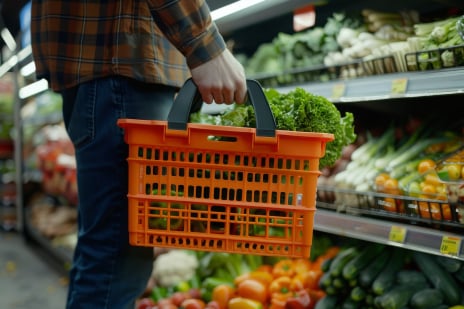
Reduce postharvest loss in fresh produce packhouses: It starts with strict fresh produce inventory management.
If you don't manage your fresh produce inventory in a strict, consistent, and methodical manner, you increase the risk of product spoilage. Producepak manages inventory rotation and ensures first in first out processes during packing, and shipping picking processes. This results in reduced fresh produce waste, and often improved customer satisfaction because the product they receive is consistently fresh.
Despite increasing pressures on food supply, about one-third of the total food produced for human consumption is wasted.5 More than 40 percent of this loss occurs throughout commodity supply chains at the postharvest level (between harvest and the consumer) in many developing economies, including those in Africa, Asia, and Latin America.6 In response to these losses, some regions have set ambitious targets to reduce this waste. For example, member states of the African Union have pledged to halve postharvest food losses by 2025.

Reduce waste during fresh produce storage: frequently quality checks to extend fresh produce life.
Using the Producepak app, you can see which fresh produce inventory may require a quality inspection to assess potential spoilage. If a quality issue is determined, product storage changes may be required (changed gas regime or temperature) or a repack of fresh produce bulk bins to remove fruit or vegetable that will cause other fresh produce to spoil.
Reducing postharvest fresh produce loss could lead to a virtual land gain equivalent to three times the cropland area of France. In this article, we discuss the extent of postharvest losses around the world and propose steps stakeholders could take to reduce waste. Such measures could lead to cost savings for grain-trading companies, as well as to potential land gains for countries at a high risk of grain loss.
Post-harvest loss is a major contributor to food scarcity; each year, around 50 percent of the harvest is lost during harvesting, post-harvest handling, storage, processing, distribution and consumption. It’s imperative that suitable post-harvest packaging, transportation and storage practices are used to reduce post-harvest loss.
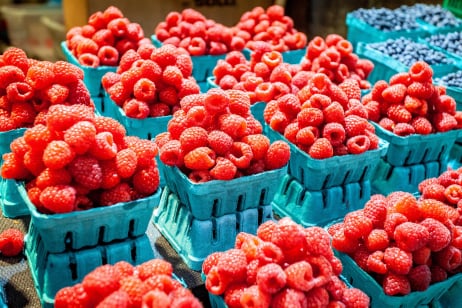
Reduce postharvest loss in the fresh produce supply chain with accurate order picking and shipping management.
Ensure every order is picked with absolute precision using Producepak's managed fresh produce picking process, every order picked and pallet stacked perfectly without mistakes. Reduce customer returns and complaints, resulting in reduce fresh produce waste for fresh produce packer, fresh produce processor and wholesaler.
While postharvest losses affect all major crops, including fruits, vegetables, and pulses, losses in rice, wheat, and other cereal grains—which account for 70 percent of all calories consumed and are particularly striking. For instance, one study estimated that up to 400 million metric tons of grain, or 20 percent of global grain production, were lost in 2018.9