Packhouse best practice:
Packhouse best practice guide: comply with packhouse standards for fresh produce packing, handling, storage and shipping. Packhouse best practices for traceability, quality control, and food safety.
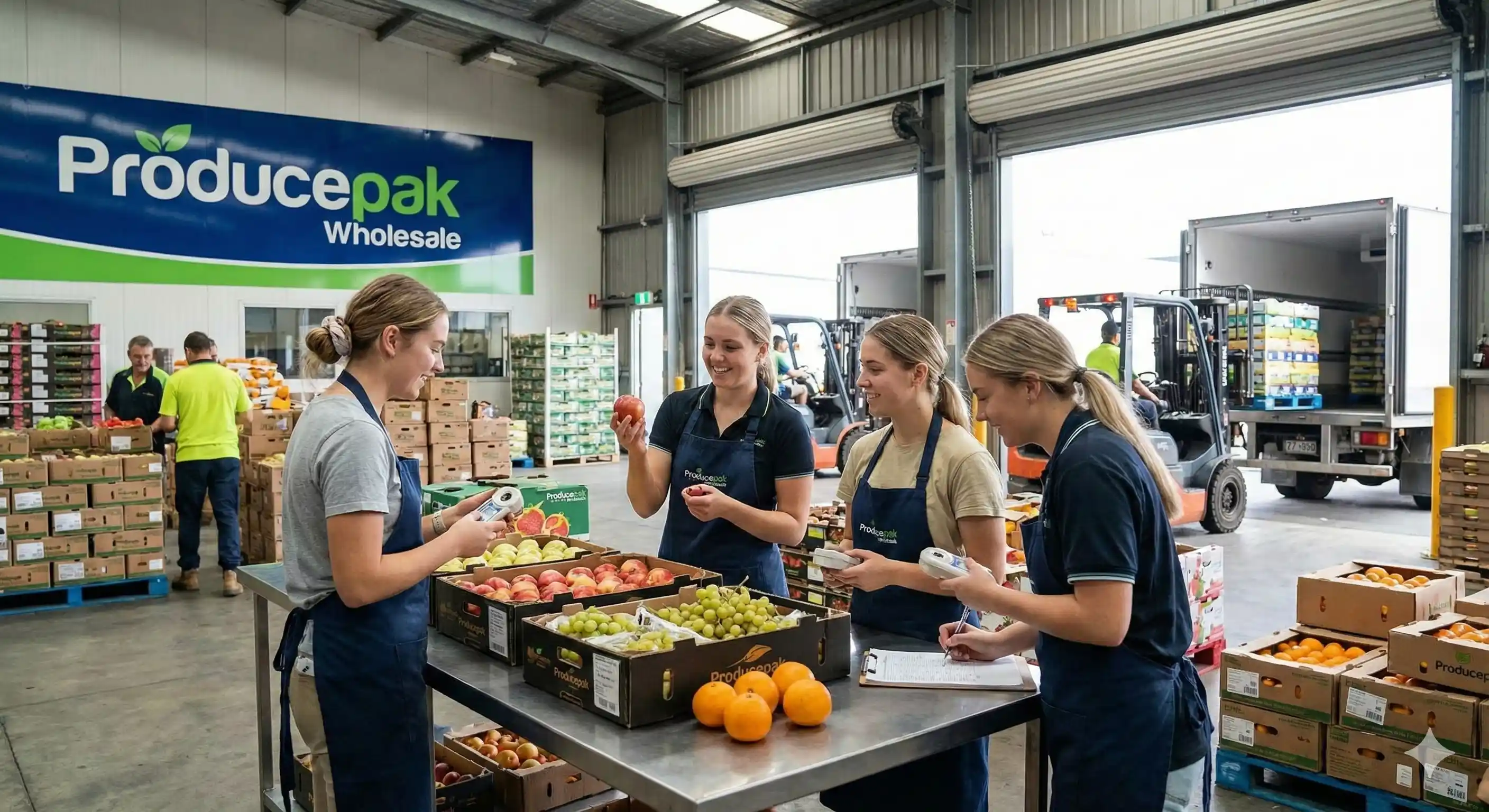
1. Packhouse best practice: Comply with fresh produce inventory handling requirements
Packhouse fresh produce inventory must be stored in areas that are free of debris, pest & pest excrement, and contamination from chemical residue. Coolers must be check on a regular basis to ensure correct temperatures are being maintained. Gassing and ripening rooms must be calibrated regularly to ensure correct gas levels are maintained.
Non cooler storage humidity levels must be maintained by using airflow to remove excess moisture which can cause bacterial concerns.
Incoming inventory must be labelled immediately to ensure traceability, prior to storage in cooler or warehousing.
Producepak Packhouse Best Practice app enforces these requirements and makes compliance easy.
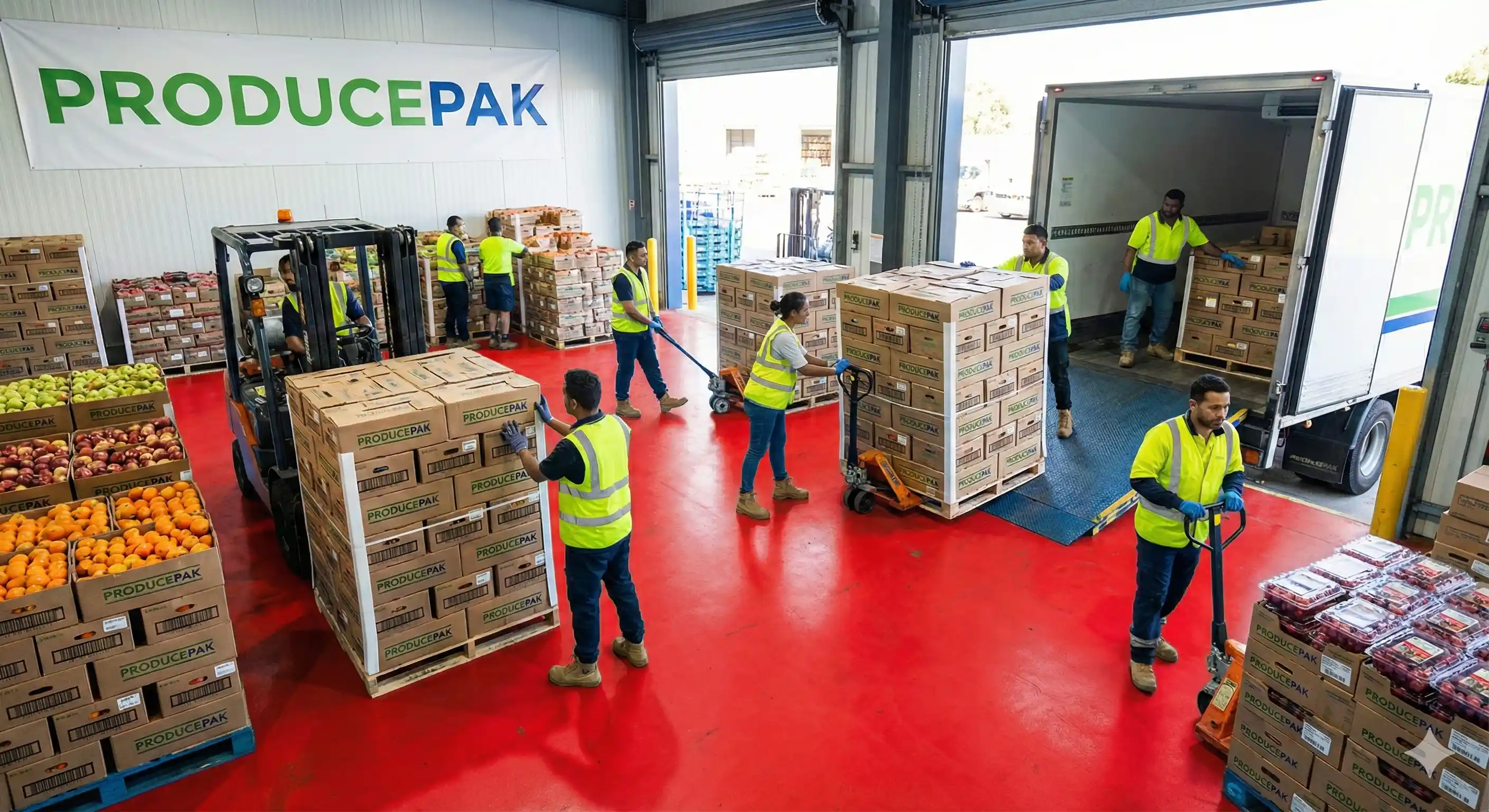
2. Packhouse best practice: Quality control & quality inspection of fresh produce
A pivotal best practice for a packhouse is the management, enforcement and consistency of quality control and quality inspections.
Consistently controlled quality results in better customer satisfaction, and often better quality fresh produce from suppliers if they know you have a comprehensive quality management solution that will identify and alert relevant quality defects quickly with plenty of evidence.
The Producepak app takes care of quality inspection best practices by making QC fast, consistent, and alerting teams when there is the necessity for a corrective action.
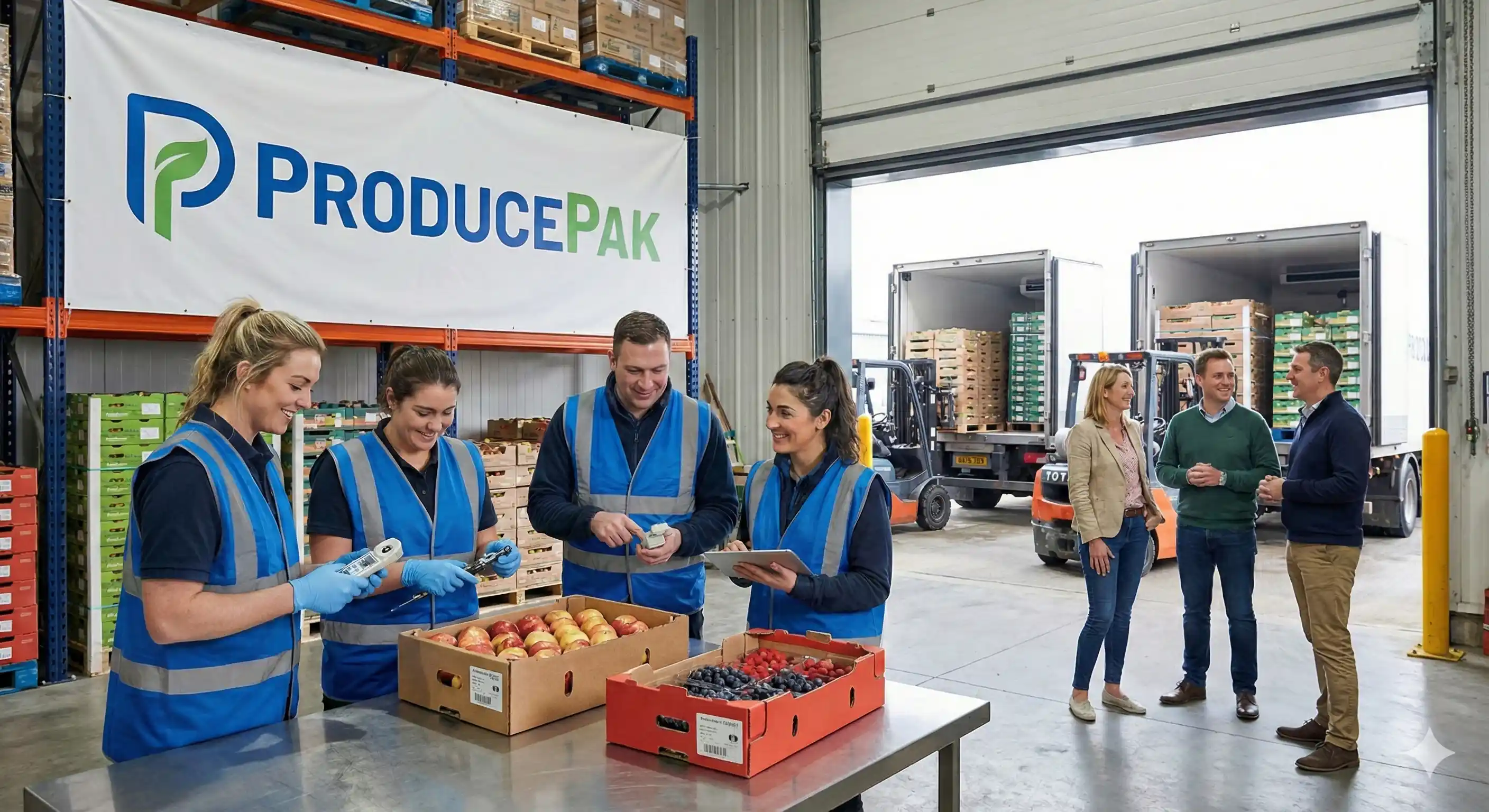
3. Packhouse best practice: Traceability management
Managing the traceability of both fresh produce and packaging materials in modern packhouses is essential to avoid potentially expensive product recalls, and loss of customers.
Packhouses should solutions that automatically manage traceability without user input, ensuring accurate and timely traceability management that results in instant recall and mock recall for auditing purposes.
Producepak delivers all of these requirements with no effort from users to ensure compliance.
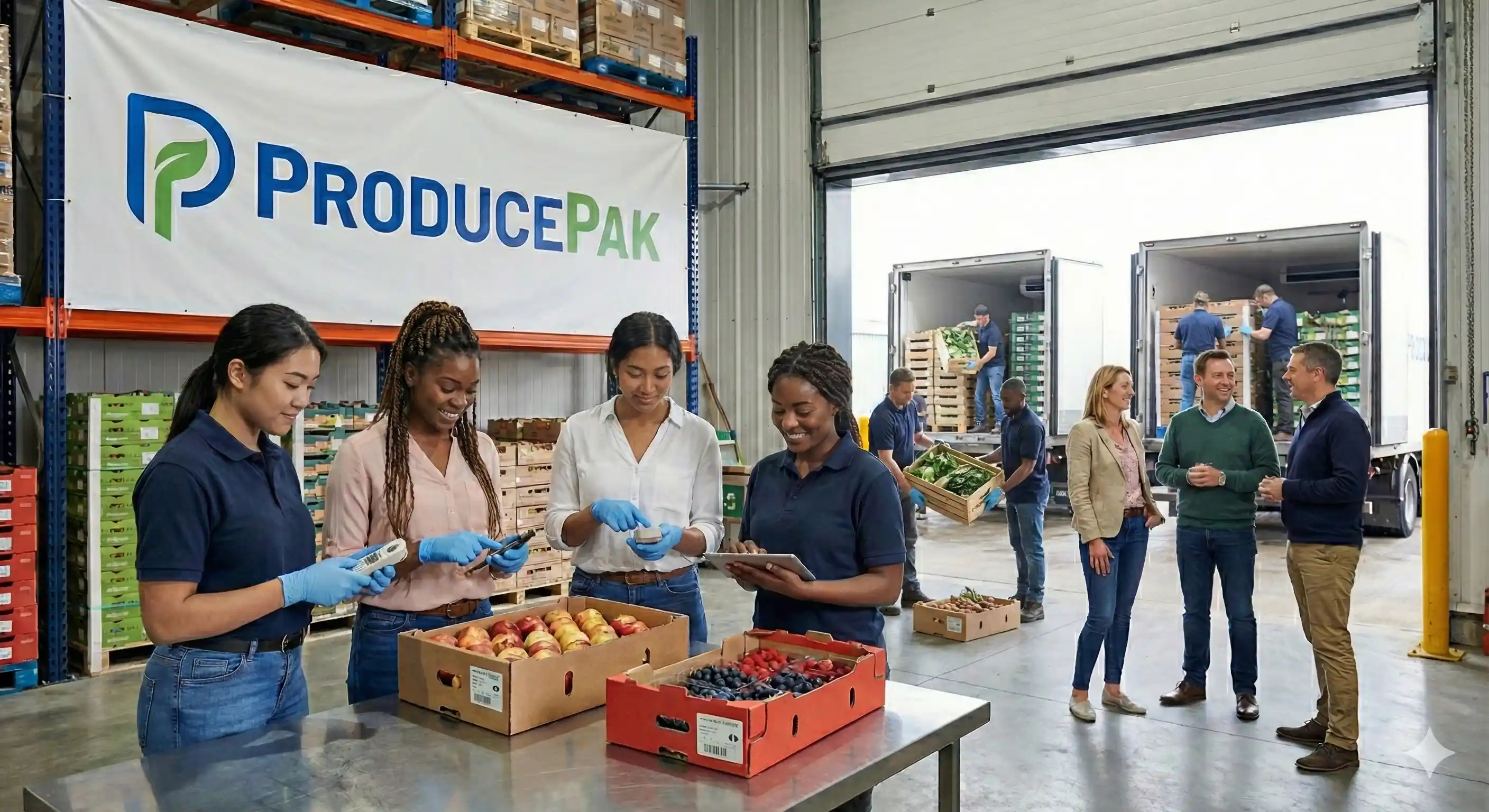
4. Packhouse best practice: Shipping
The shipping process for fresh produce must ensure that you know EXACTLY which inventory was sent to which customer on which invoice which is related to the customers Purchase Order reference. Without this, you are running the risk of creating a very large product recall window which could prove to be financially catastrophic in the event of a recall.
Producepak app allows scanning of every pallet or even case (if necessary) to ensure we know exactly which inventory went to which customers.
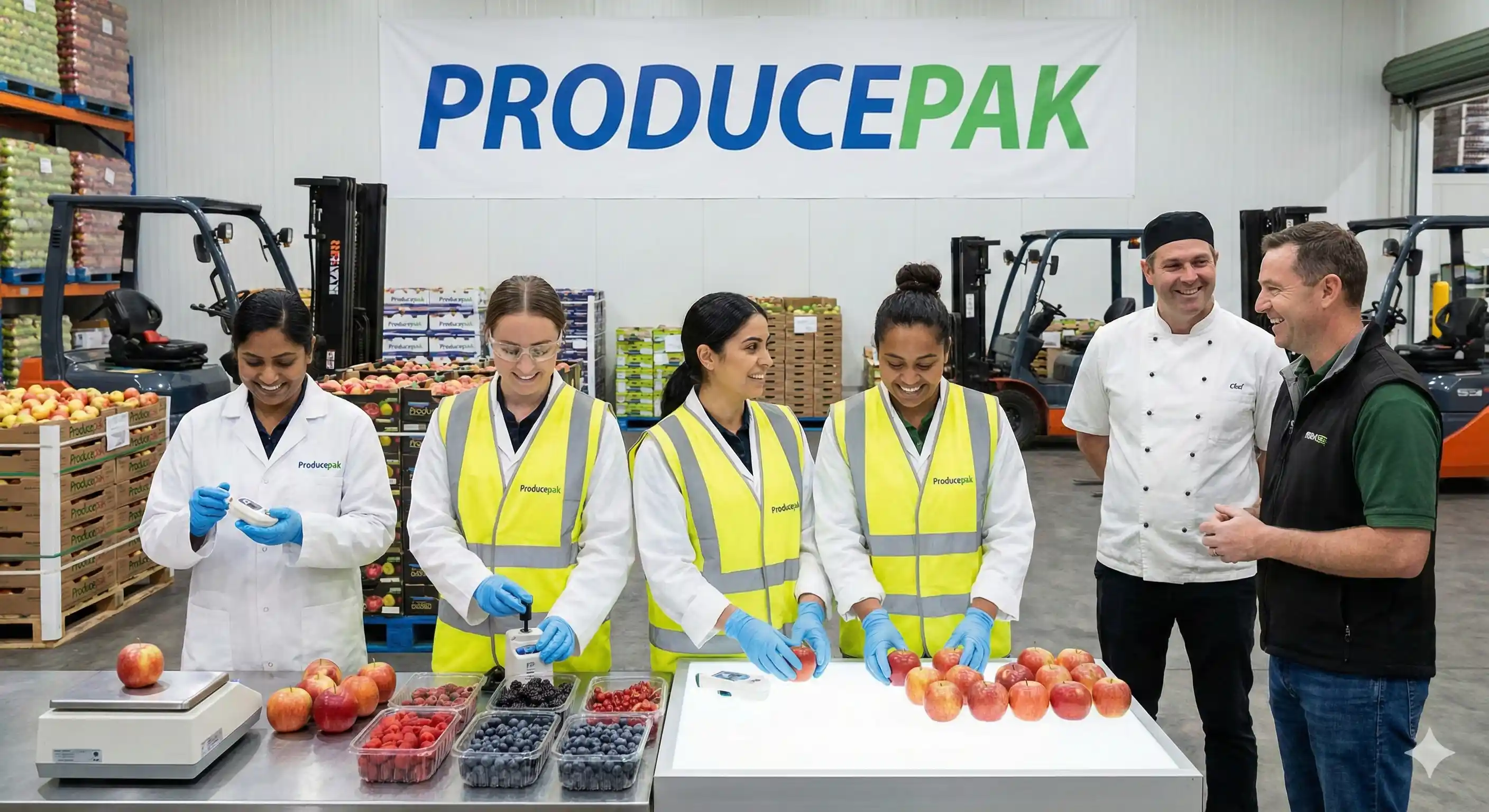
5. Packhouse best practice: Food Safety
There are basic practices you can use in your packhouse to ensure food safety: Cover packing materials to prevent contamination. Remove bird nests. Use bird spikes to prevent nesting and/or place plastic over exposed produce areas. Make sure surfaces that contact food are smooth, do not absorb water, drain easily, resist corrosion, and are easy to clean and sanitize.
Prevent Contamination from Tables, Wash Tanks, Conveyors, and Other Surfaces That Contact Produce
Make sure surfaces that contact food are smooth, do not absorb water, drain easily, resist corrosion, and are easy to clean and sanitize. This is important for packing materials, preparation tables, conveyors, wash tanks, knives, and other utensils used for produce packing. These are all considered food-contact materials and it is important to keep them clean and sanitary. Water used to clean and sanitize food-contact surfaces must meet microbial standards for drinking water.
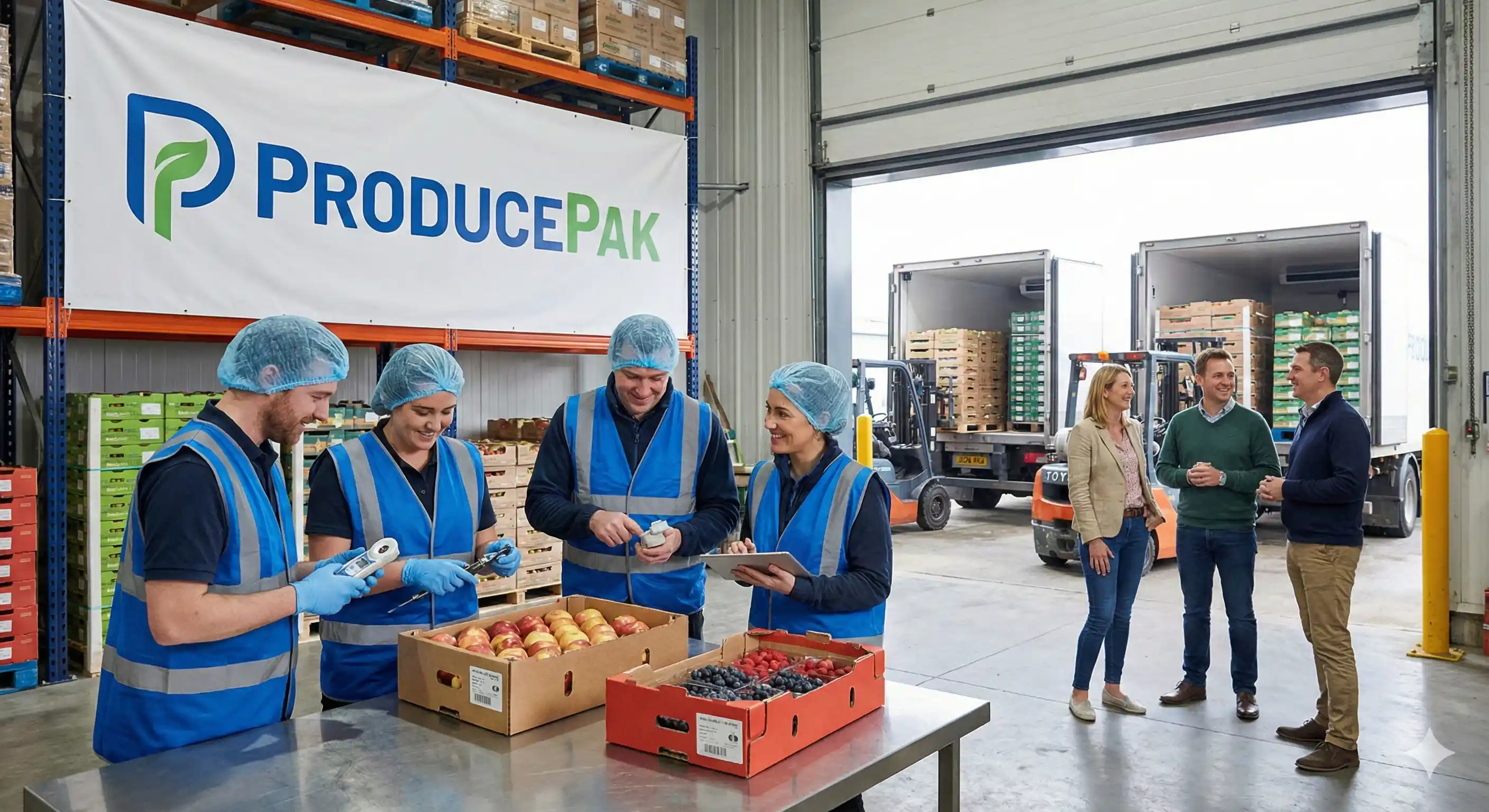
6. Packhouse best practice: Fresh produce compliance and PHA (Produce handling assurance)
Produce Handling Assurance (PHA) offers food safety and traceability certification for responsible postharvest activities. Applicable to fruit and vegetables, combinable crops, and hops, PHA is accepted by buyers in the US market and beyond who seek suppliers who comply with the requirements of the Global Food Safety Initiative (GFSI). The standard is available for both the on-farm facilities of producers with GLOBALG.A.P. certification as well as independent postharvest operations that source from GLOBALG.A.P. certified production processes, enabling both to demonstrate their efforts towards the implementation of Food Safety Modernization Act (FSMA) requirements.
Which industry challenges does PHA address?
Many retailers request an additional standalone postharvest certification that includes a specific focus on hazard analysis and critical control points (HACCP).
Before PHA, existing standards were developed for complicated postharvest operations such as processing and manufacturing. These standards were not appropriate for preprocessing activities such as packing, cooling, and storage.
Under FSMA, postharvest operations also require a solution for demonstrating compliance with the Produce Safety Rule (PSR) and the Current Good Manufacturing Practices (CGMP) aspects of the Preventive Controls for Human Food (PCHF) Rule.
Buyers are therefore seeking independent assurances to mitigate food safety and reputational risks at the postharvest stage, and supply chain stakeholders are faced with an increasing number of audits to satisfy them.
PHA can be implemented both as a standalone postharvest certification, and in combination with other GLOBALG.A.P. standards and add-ons for primary production.