How to run a packhouse
How to run a packhouse: Implement traceability and smart inventory management in your packhouse. Learn how to manage packhouse recalls, packing processes, and order picking & dispatch.
10 EASY STEPS TO RUN A FRESH PRODUCE PACKHOUSE
1. Efficient Inventory Control and Tracking
2. Proper Temperature and Humidity Controls
3. Fast Rotation and Dispatch Procedures
4. Regular Maintenance and Cleaning Schedules
5. Use of Suitable Storage Solutions
6. Compliance with Safety and Health Regulations
7. Training for warehouse personnel
8. System for Managing Overripe or Damaged Goods
9. Proper Layout for Easy Access and Movement
10. Implementation of Automation and Digital Solutions
1. EFFICIENT INVENTORY CONTROL IMPLEMENTED BY THE PRODUCEPAK APP
Having an efficient inventory control and tracking system is one of the essentials in warehouse management for produce distribution.
A robust tracking system can ensure no product gets lost in the vast space of the warehouse.
By means of efficient inventory control, warehouse managers can make informed decisions about the stock level requirements and inventory investments.
Accurate inventory quantities are crucial in preventing overstocking or understocking which can lead to unnecessary costs and loss of sales.
It is equally important to track the location of goods within the warehouse, as this reduces the time taken to locate and move products thus ensuring smoother operations.
2. PROPER TEMPERATURE & HUMIDITY CONTROL
In the realm of produce distribution, maintaining proper temperature in your warehouse is of utmost importance.
When fruits and vegetables are not stored at their correct temperature, their shelf life diminishes exponentially.
Failing to maintain the correct temperature can result in loss of product due to spoilage.
Temperature monitoring systems in the warehouse can help maintain the optimal temperature required for different produce.
These systems can automatically adjust the warehouse temperature to adapt to changes in weather or to cater to different types of fruits and vegetables being stored.
In addition to temperature controls, humidity control also plays a pivotal role in preserving the freshness of fruits and vegetables.
Produce like leafy greens require a higher level of humidity to stay fresh compared to other fruits and vegetables.
Integrated temperature and humidity control systems can regulate both these factors ensuring produce stays fresh and marketable for a longer time.
Advanced control systems also provide real-time monitoring and alerts in case of any outlier in the predictable temperature and humidity range.
For instance, if the temperature in a certain region of the warehouse goes beyond the allocated range, the system can alert the management to take preventive measures immediately.
3. STRICT INVENTORY ROTATION AND FIFO
Proper warehouse management for produce distribution requires efficient practices, particularly in the area of fast rotation and dispatch procedures.
In managing perishable goods such as produce, one must understand that time is of the essence as perishability is a primary concern.
An essential practice is the First-In, First-Out (FIFO) principle, which ensures that the first items received are the first to be dispatched.
This method aids in preventing product spoilage as it doesn’t let any product stay too long in the warehouse.
Today’s warehouse management technology offers advanced solutions that can optimize the rotation and dispatch process.
Software can track and manage inventory, helping the warehouse staff to find the oldest batches for delivery.
Efficient tech-enabled dispatch and rotation procedures significantly reduce the likelihood of products becoming overripe or damaged before dispatch.
In addition, a logistics software can help manage dispatch schedules, ensuring fast and efficient delivery of produce to retailers and consumers.
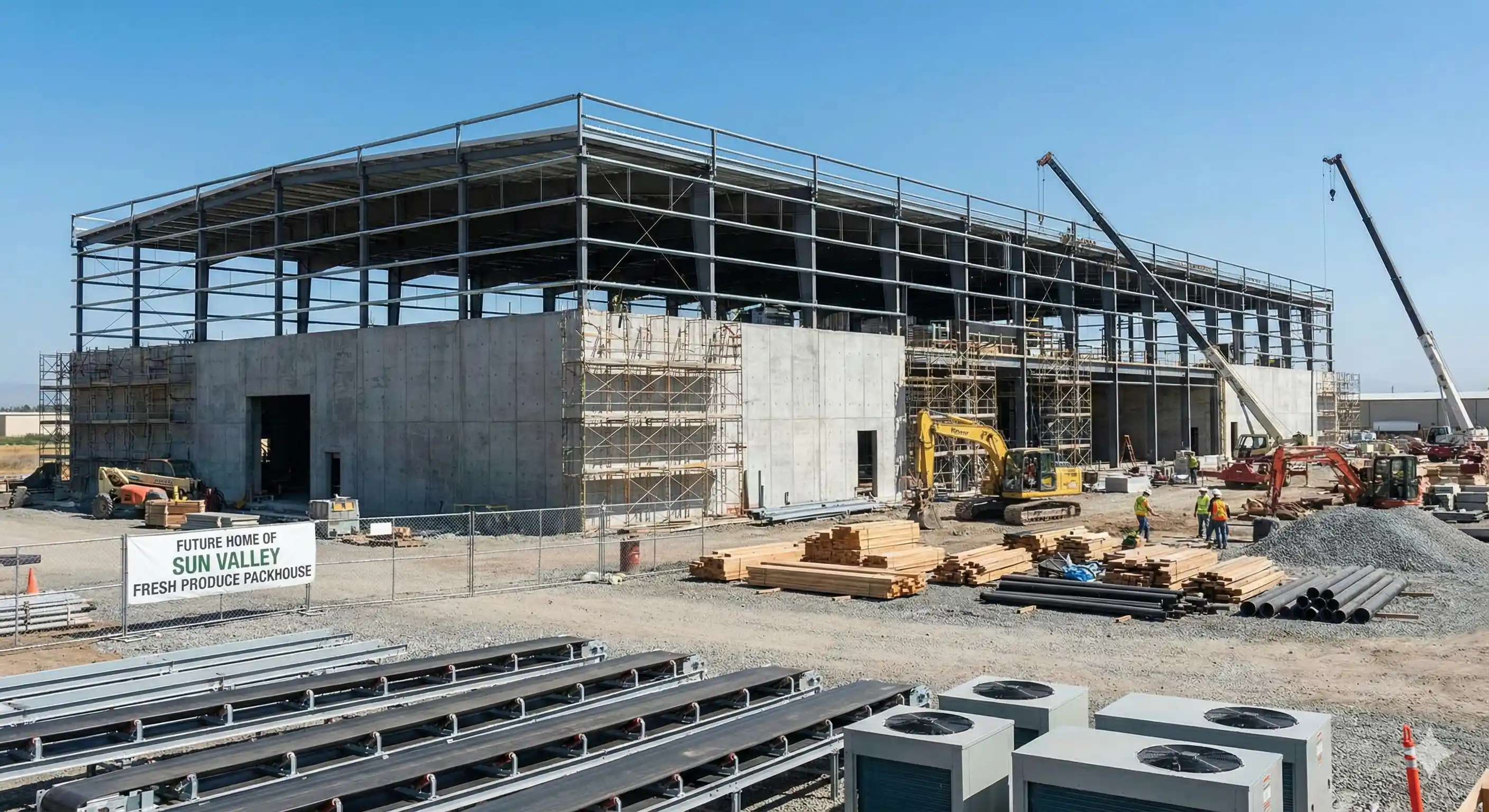
PHYSICAL CONSTRUCTION OF THE PACKHOUSE
4. REGULAR MAINTENANCE AND CLEANING PROGRAMS
Maintaining an efficient warehouse essentially demands adherence to regular cleaning and maintenance schedules.
Maintenance not only involves repair and refurbishment of equipment used in the warehouse but also requires attention towards cleanliness and safety issues related to the area used for storing produce.
Regular cleaning helps in eliminating potential risks associated with spoilage and contamination of produce.
The maintenance schedule should be based on the nature of produce being stored in the warehouse and the types of machines and tools used for handling them.
Maintenance and repair activities should be performed outside the operational hours of the warehouse to minimize disruption.
Moreover, a comprehensive preventive maintenance plan that includes regular checks and inspections needs to be in place to ensure equipment is operating at optimal levels and any issues can be addressed before they escalate.
Top priority should be given on avoiding cross-contamination during cleaning activities by using appropriate sanitizing agents and tools.
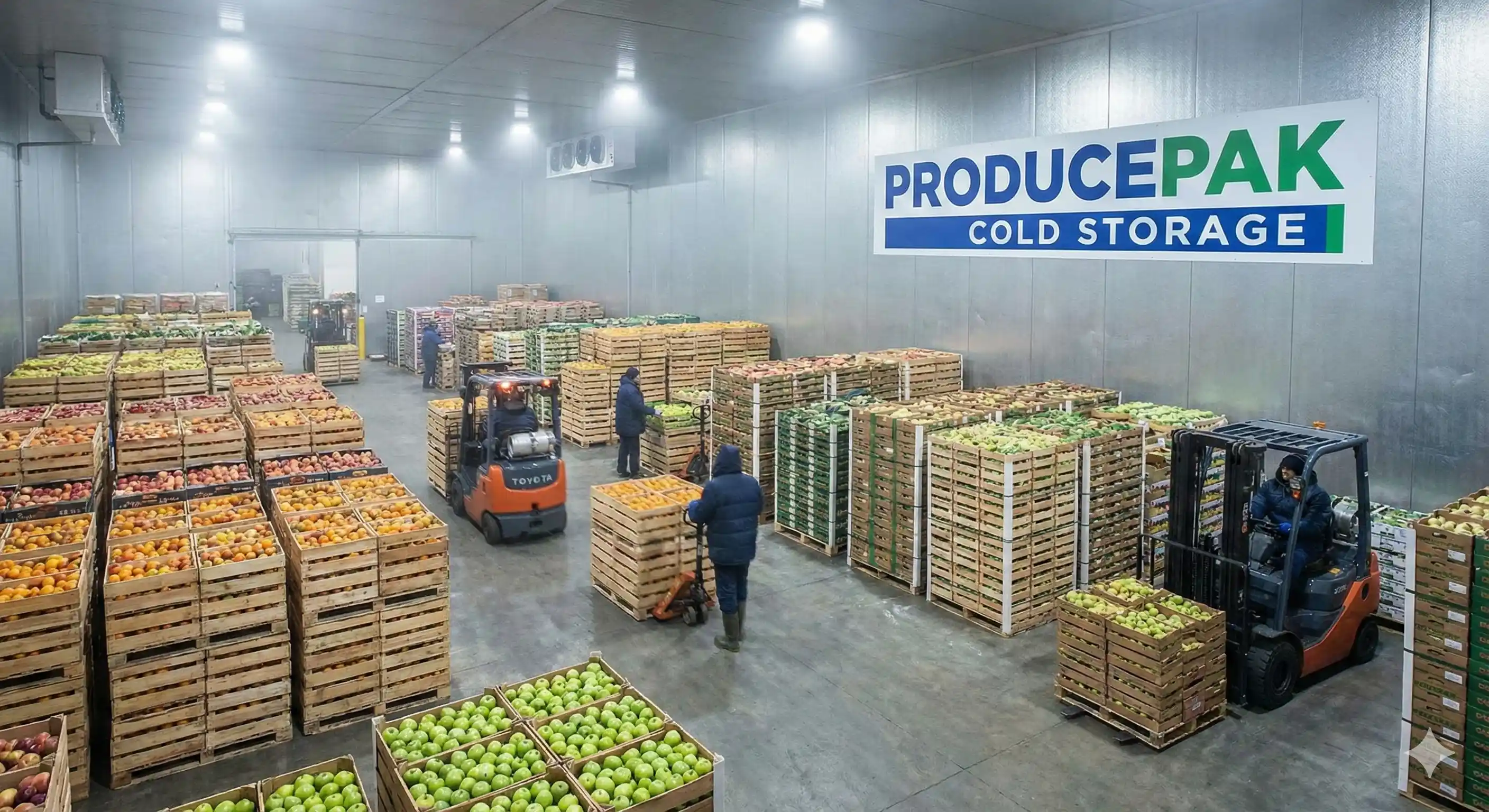
5. USE OF SUITABLE STORAGE FACILITIES
As a core component of effective warehouse management in produce distribution, utilizing suitable storage solutions is essential.
Effective storage solutions optimize warehouse space, enhance operational efficiency, and ultimately safeguard the quality of the produce.
The type of produce being stored largely dictates the choice of storage solutions.
For instance, delicate produce such as leafy greens might require different storage solutions than hardier fruits like oranges or apples.
In addition, the quantity and frequency of produce passing through the warehouse also significantly influence the type of storage system selected.
It is crucial that the storage solutions are flexible to accommodate variations in produce volume and variety.
This flexibility allows seasonality factors to be considered and thus, contributes to the efficiency and productivity of the warehouse.
Another key consideration when selecting suitable storage solutions is the shelf life of the produce.
The refrigeration capabilities of the units must be able to maintain the produce at the desired temperatures to help extend its shelf life.
6. COMPLIANCE WITH HEALTH AND FRESH PRODUCE FOOD SAFETY CAMPIGNS
In facilitating proper warehouse management for produce distribution, adherence to safety and health regulations is unequivocally crucial.
A warehouse houses various potential hazards that need to be handled with care and vigilance, making it fundamental to ensure compliance with safety measures meticulously.
The health and safety regulations applicable to warehouses can change depending on the specific country or region, hence it is imperative for warehouse managers to stay updated with current regulations and standards.
Safety compliance is not only about avoiding penalties and lawsuits but is more significantly about protecting the lives and health of the workers who make the operations possible.
Given the perishable nature of the goods, the rules for food safety and hygiene become an additional layer of regulations specific to produce warehouses.
Ensuring routine safety audits and inspections forms a vital part of this regulatory compliance.
Maintaining =clear documentation of these audits allows for tangible proof of compliance and aids in identifying areas in need of improvement.
To enable this, safety personnel should be adequately trained to identify potential risks and rectify them.
TIPS FOR CHOOSING PACKHOUSE EQUIPMENT
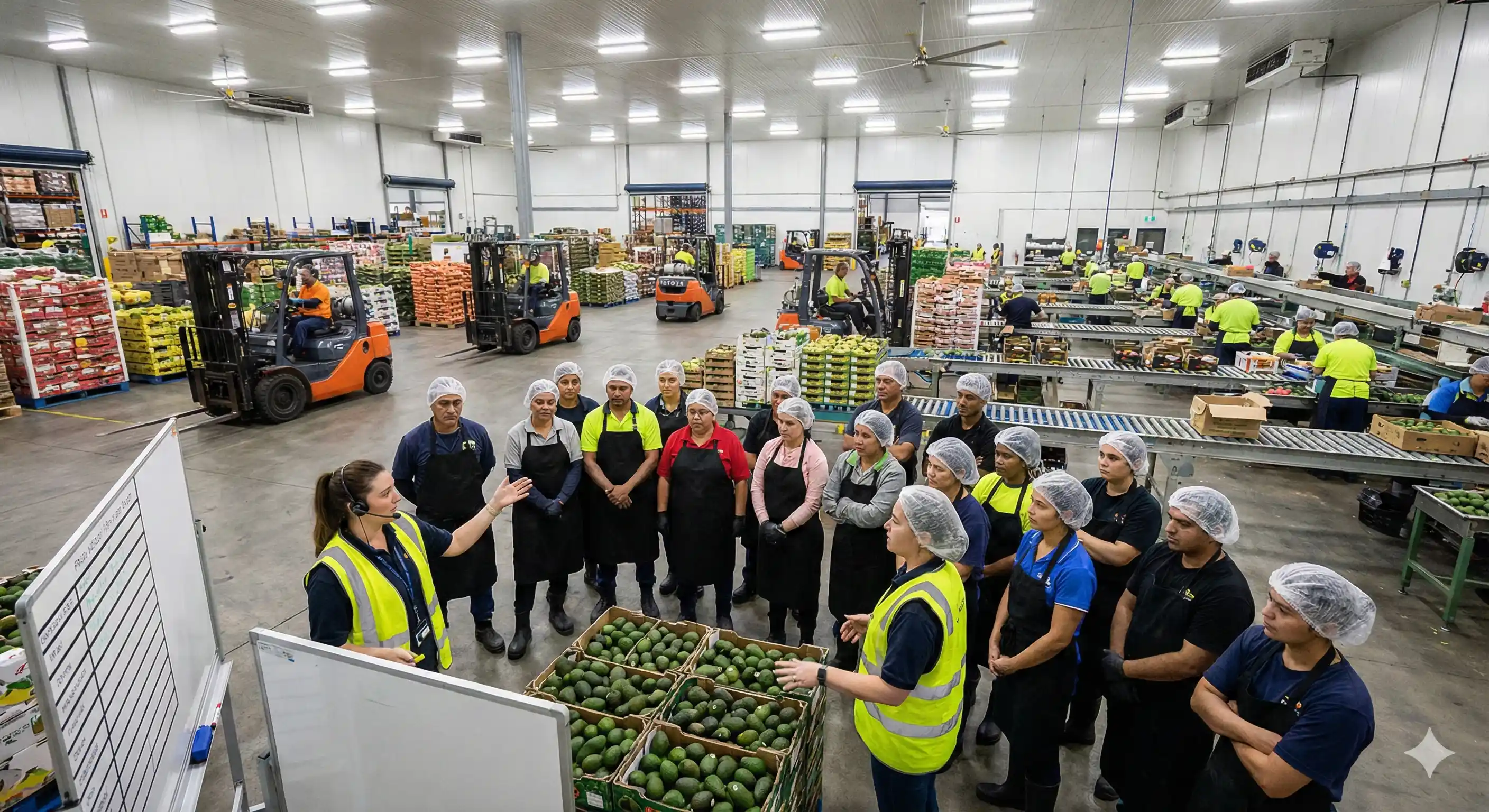
7. TRAINING OF ALL FRESH PRODUCE HANDLING EMPLOYEES
For every warehouse, especially those focused on produce distribution, the skills, knowledge, and competence of the workforce is an indispensable component of successful operation.
Training for warehouse personnel is not just about teaching basic skill sets, but it’s also about improving efficient and productive performance in the workplace.
An effective training program ensures that staff understand the dynamics of managing perishable goods and are prepared to handle any situation that may arise.
Employees who are well-equipped with adequate knowledge and right skills can help in maintaining superior warehouse operations and significantly reducing errors and wastage.
Training must also focus on creating a safe and regulatory-compliant work environment.
Staff members should be thoroughly trained in the protocols of handling produce, including implementing proper storage measures, maintaining appropriate temperature levels, and quickly addressing issues related to overripe or damaged goods.
Additionally, implementing a strong training program also helps in decreasing employee turnover rates.
8. SYSTEMS TO STOP EXPIRY OF FRESH PRODUCE OR DEAL WITH DAMAGED FRESH PRODUCE
It is fundamental for the warehouse’s operations to have a proper system for managing overripe or damaged goods, particularly in the context of produce distribution where these can be common occurrences.
Constant vigilance and frequent inspections should be part of the warehouse’s protocol to identify any perishable goods that have gone overripe or suffered damage.
Prompt identification ensures a faster turnover avoiding further deterioration which could negatively influence other produce stored nearby.
Once identified, these goods have to be removed immediately from the common inventory to prevent contaminations or potential spread of disease, especially when dealing with produce.
Produce that can still be used despite being overripe or slightly damaged may be redirected to other channels, preventing total loss and demonstrating a commitment towards waste reduction strategies.
A robust tracking system can make this task easier by providing relevant data about the goods in stock including their shelf life, expected expiry, and condition.
This information can be leveraged to rotate the goods optimally and make inventory decisions that minimize money loss.
9. PROPER PACKHOUSE LAYOUT FOR EMPLOYEE SAFETY, EFFICIENCY OF FRESH PRODUCE MOVEMENT
The functional design and layout of a warehouse considerably impact its efficacy and productivity.
An accurate warehouse layout is not only essential for storage but also for smooth navigation and efficient workflow.
In the realm of produce distribution, it’s particularly crucial due to the perishability of the products involved.
Thus, a well-planned layout is a non-negotiable prerequisite to ensure that the labyrinth of pallets, crates, boxes, and forklifts operate like clockwork.
Good warehouse layout facilitates easier access and movement for employees, thereby, minimizing time wastage and improving goods’ shelf-life.
10. IMPLEMENTATION OF FULL BUSINESS MANAGEMENT SOLUTIONS
The implementation of automation and digital solutions in warehouse management for produce distribution can significantly improve efficiency and reduce errors.
Automation reduces the dependence on manual labor, thus reducing the chances of human error and increasing the speed of warehouse operations.
Many modern warehouses are now looking into automated picking systems that can quickly and accurately pick produce items based on their SKUs.
Moving towards automation also involves implementing barcode scanning systems which can easily track items throughout the warehouse.
Furthermore, digital solutions such as Warehouse Management Systems (WMS) are becoming increasingly crucial in managing inventory, optimizing warehouse space, and speeding up order fulfilment.
Digital solutions provide real-time visibility into inventory levels, which is especially crucial for perishable goods like produce.