Australian fresh produce quality control
Australian fresh produce quality control by Farmsoft makes quality control rapid and easy, send corrective action alerts to correct team members based on sophisticated quality criteria, Woolworths Coles Aldi IGA quality specifications.
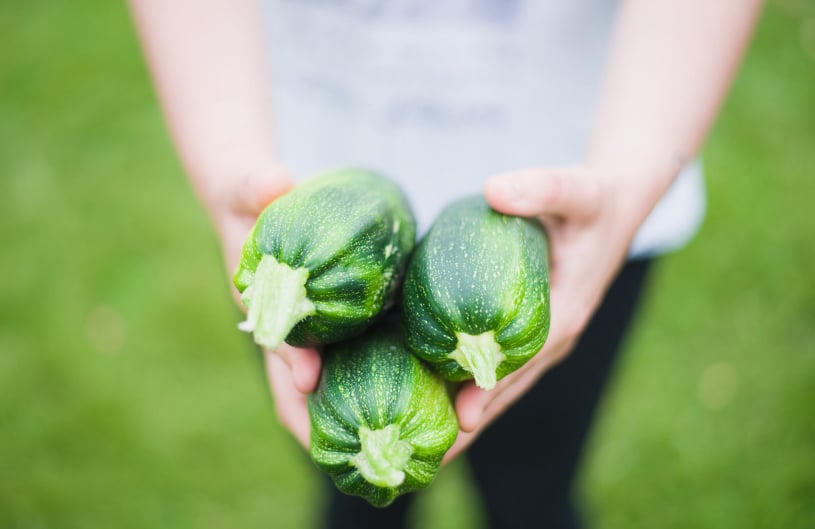
Why is Australian fresh produce quality control so important for grower, packer, wholesaler?
View Fresh Produce App Specifications and Requirements Coles Woolworths Aldi IGA.
Quality assured fresh produce is about ensuring food is safe to eat! Commonly, customers and the supply chain require compliance with specific programs for this purpose. There are also regulations and requirements that control access to specific markets.
Contaminated fresh produce can cause serious harm; such as food poisoning or injury. Quality assurance systems provide the framework to prevent harm from occurring and maintain the clean and green reputation of Australian fresh produce.
Customers often require supply chain members (including growers) to comply with specific quality assurance programs. These programs are usually based on the Hazard Analysis and Critical Control Point (HACCP) method of risk assessment and mitigation.
Core food safety elements of such schemes include product identification and traceability, chemical management, water quality, equipment and materials, cleaning and pest control, personal hygiene, food safety training and annual auditing. Common quality assurance programs in Australia are detailed here.
A major industry initiative is the Harmonised Australian Retailer Produce Scheme (HARPS). HARPS aligns the food safety requirements of Australia’s major retailers to reduce the costs and stress associated with the adoption, maintenance and auditing of multiple food safety systems by individual direct suppliers to multiple retail customers in Australia.
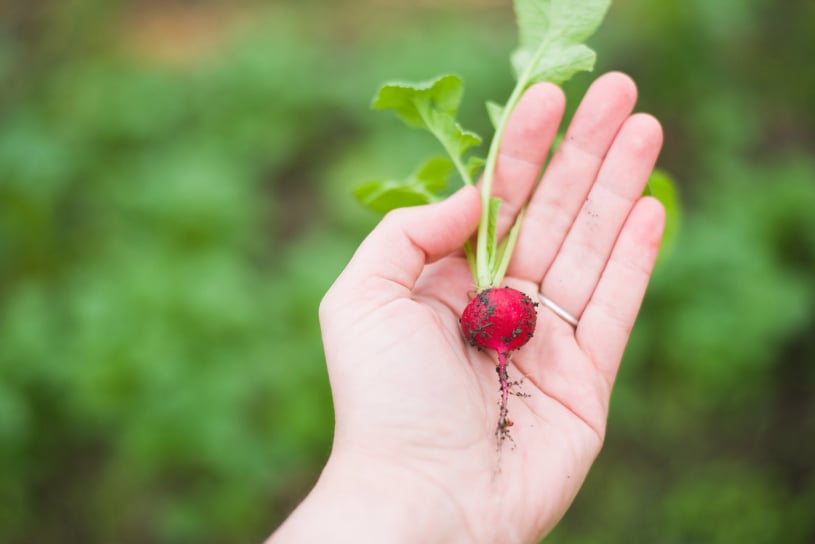
Challenges for Australian fresh produce quality control specification management
Fresh produce quality inspection specifications & requirements.
Fresh food businesses are faced with the challenge of creating a food safety culture, maintaining best practice and retaining customer confidence, while effectively managing overall costs.
Quality assurance in the food production sector is rigorous but defining quality assurance, knowing and assessing the food safety risks and doing your research on code compliance is a step in the right direction.
Defining quality assurance
Quality assurance (QA) schemes for fresh produce are designed to enable producers to demonstrate that their on-farm practices allow them to produce safe food products that meet Australian food safety standards under the Australia New Zealand Food Standards Code (the Code).
Non-compliance with food safety laws can lead to fines, loss of business opportunity or even closure.
Fresh produce can include meat, fruit, vegetables, herbs and nuts supplied for sale in the wholesale, retail and food service sectors, or used for further processing. For more information about quality assurance schemes for meat see the Meat and Livestock Australia website.
Since 2000, the number of QA schemes has increased significantly. The main aim for QA schemes is to encourage producers to think about their on-farm practices and how they impact the safety of the fresh food they produce and sell.
Food safety in Australia is governed by the Australia New Zealand Food Standards Code (the Code), part of the Australian Government’s Health portfolio. The Code and its standards are legislative instruments with compliance monitored by state and territory governments. The Australian Government Department of Agriculture and Water Resources is responsible for the inspection and sampling of imported food.
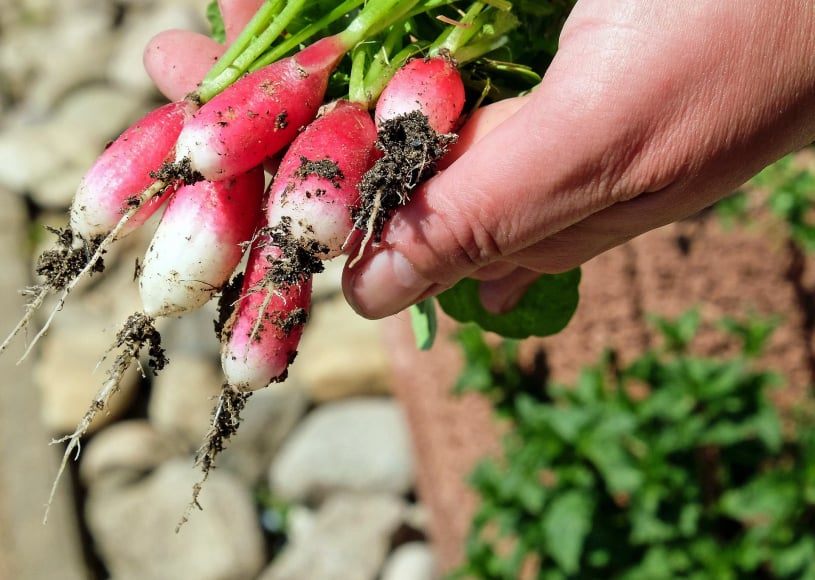
Australian fresh produce quality control solutions for all sizes of packer, grower, wholesaler. Managing on farm and in packhouse hazards:
The hazards
On the farm there are a number of food safety hazards associated with producing fresh produce.
Hazards can arise during the growing, harvesting, packing, storage or distribution stages of production and are categorised as microbiological, chemical or physical.
Microbiological food safety hazards
Microbiological food safety pathogens include some bacteria, viruses, parasites, algae and fungi. Contamination can arise from a poor understanding of:
the use of untreated organic animal manure used as fertiliser or soil ameliorant during production
pathogen contamination of picked produce prior to packing
waste management
water as a pathogen carrier
good hygiene practices after eating, smoking and ablutions
cleaning and sanitation
pest management to control pathogen numbers in picking, harvesting and packing facilities.
Chemical food safety hazards
The chemicals we use in our production systems can become food safety hazards if not used as intended by the manufacturer and the Australian Pesticides and Veterinary Medicines Authority (APVMA).
Registration with APVMA is the process required by law for each compound offered for sale.
Chemicals that could become hazards include fungicides, pesticides, herbicides, cleaners and sanitisers.
Food safety hazards could occur where chemical residues in excess of their registration design limits are exceeded — termed maximum residue limits (MRL).
MRL violations in fresh produce occur when chemicals are not used as detailed on their labels.
Produce grown in soils contaminated with heavy metals can also be a food safety risk and there are residue limits set in law — termed extraneous residue limits (ERL).
ERL violations occur on fresh produce where heavy metal comes in contact with, or is produced in, contaminated soil.