Fresh produce quality control software
Fresh produce quality inspection app for packer, processor of fruit & vegetable. Fully customizable fresh produce quality control software for QC QMS and quality inspection from your cell or tablet. Easy audits, recalls, and fresh produce traceability. A fresh produce quality control platform to manage all quality inspection compliance.
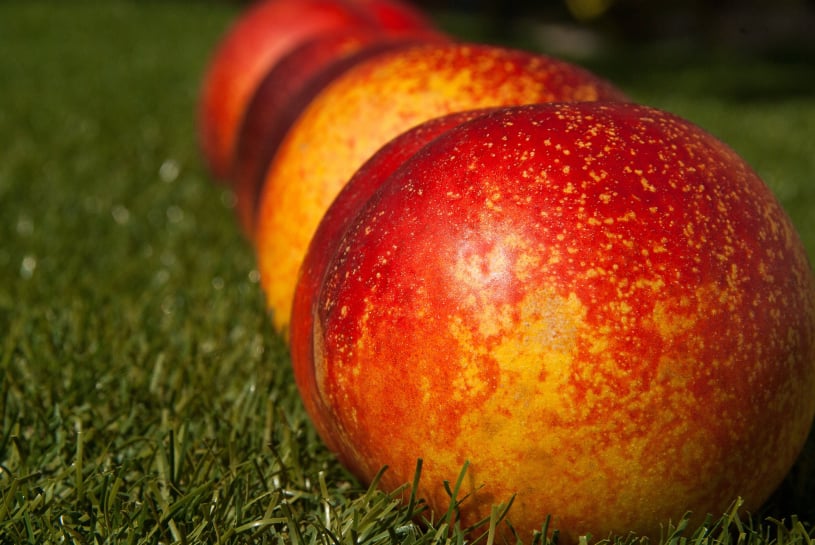
Fresh produce quality inspection app reduces quality control costs: One fresh produce quality control platform to manage all quality inspections.
View Fresh Produce Quality Inspection App Specifications.
Using the Producepak Quality Inspection app reduces time taken to perform quality inspection tasks, reduces labor costs, and
improves productivity.
Quality officers are guided through the quality inspection process to ensure fast, accurate quality inspections.
Fresh produce quality inspection is an essential process in the food industry that ensures that the fruits and vegetables consumers buy meet certain standards of safety, freshness, and quality. It involves a series of tests and inspections, starting from the farm, through transportation, storage, and distribution, to the retail market. The main goal of quality control for fresh produce is to minimize the risk of foodborne illness and to ensure that consumers receive fresh, healthy, and nutritious fruits and vegetables.
There are different methods of quality control for fresh produce, depending on the type of produce, the intended market, and the standards set by regulatory agencies.
Some of the common quality control methods for fresh produce include visual inspection, sensory evaluation, physical and chemical tests, and microbiological analysis.
Producepak is a fresh produce quality control platform to manage all quality inspection compliance.
Visual inspection is the most basic and widely used method of quality control for fresh produce. It involves visually examining the fruits and vegetables for external defects such as bruises, cuts, discoloration, and other physical damage that may indicate poor quality or spoilage. This method is usually performed at the farm or during transportation and storage to identify damaged or defective produce that needs to be discarded or separated from the good produce.
Use Producepak Fresh Produce Quality Inspection app for Walmart, Wholefoods, Woolworths, Coles, Tescos, Loblaws, Aldi, IGA quality compliance.
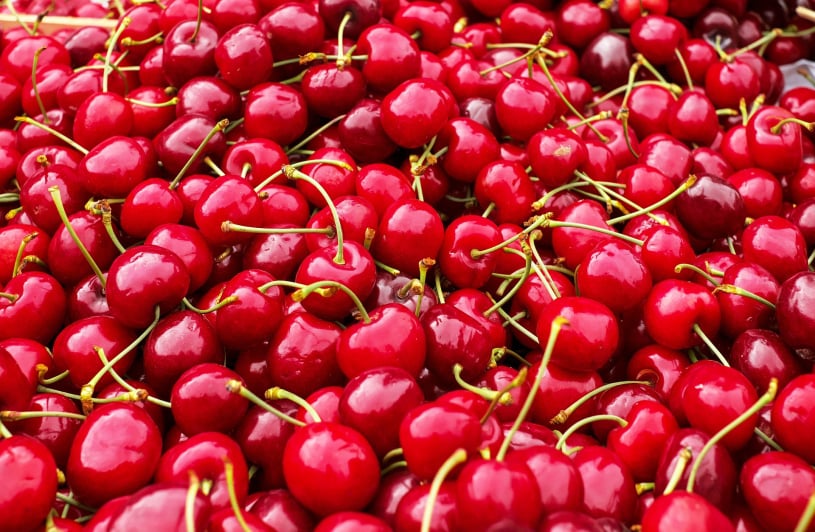
Fresh produce quality inspection app eliminates mistakes
Reduced mistakes during quality inspections due reduces waste of fresh produce. Producepak Quality Inspection App presents images and even links to documentation to ensure mistakes are not made during quality inspections. Producepak is a fresh produce quality control platform to manage all quality inspection compliance.
Quality officers view example fruit defects in the app during the quality inspection process, allowing onboarding of new quality officers to be fast and easy.
Sensory evaluation is another method of quality control for fresh produce that involves using the human senses of taste, smell, touch, and sight to assess the quality and freshness of the produce. This method is usually performed by trained sensory panelists who are trained to detect subtle changes in the appearance, texture, and flavor of the produce. Sensory evaluation is particularly useful in assessing the ripeness of fruits and vegetables, as well as identifying off-flavors or odors that may indicate spoilage.
Physical and chemical tests are more advanced methods of quality control for fresh produce that involve using laboratory equipment to measure certain physical and chemical parameters that are indicative of quality and freshness.
For example, the sugar content, pH level, and moisture content of fruits and vegetables can be measured to determine their ripeness, sweetness, and freshness. Other physical and chemical tests may include colorimetry, titration, and spectrophotometry, among others.
One fresh produce quality control platform to manage all quality inspections.
Microbiological analysis is another important method of quality control for fresh produce that involves testing for the presence of harmful microorganisms that can cause foodborne illness. This method is particularly important for produce that is consumed raw or minimally processed, such as leafy greens, berries, and sprouts, which are more susceptible to contamination by pathogenic bacteria such as E. coli, Salmonella, and Listeria. Microbiological analysis involves taking samples of the produce and testing them in a laboratory for the presence of harmful bacteria using methods such as polymerase chain reaction (PCR), culture-based methods, and immunological assays.

Fresh produce quality inspection app for better price negotiations: One fresh produce quality control platform to manage all quality inspections.
Use the Producepak Quality Inspection app to record photos of fresh produce during delivery, pre pack, post packing, and pre shipment.
Instantly send fresh produce quality inspection results to suppliers for improved price negotiations.
In addition to these methods, there are also various quality control standards and certifications that fresh produce can undergo to ensure their safety and quality. For example, the GlobalGAP certification is a voluntary standard that sets criteria for good agricultural practices, including the use of safe and sustainable farming practices, environmental protection, and traceability. Other certifications may include organic certification, fair trade certification, and non-GMO certification, among others.
Quality control for fresh produce is not just limited to testing and inspections; it also involves implementing good manufacturing practices (GMPs) and standard operating procedures (SOPs) to prevent contamination and maintain quality throughout the production process.
This may include measures such as proper hand washing, sanitation, pest control, and temperature control, among others.
One fresh produce quality control platform to manage all quality inspections.
Overall, quality control platforms for fresh produce are a complex and multifaceted process that involves a range of methods and techniques to ensure the safety, freshness, and quality of fruits and vegetables. By implementing rigorous quality control measures, the food industry can minimize the risk of foodborne illness and ensure that consumers receive fresh and nutritious produce that meets their expectations.